Fueling Patient-Centered, Real-World Clinical Research
If you're having trouble viewing this email, you cansee it online.
News for you, friend.
In this newsletter:
On the Horizon
Staff Spotlight
New Research Alert!
HPA Axis
Could CO2 be a future treatment option for some chronic health conditions?
A Personal Note From a Member of Our Community
ICYMI on Social Media
On the Horizon
Summer 2025
The Brain Storm - A Research-Focused Newsletter begins! Are you signed up?
The Unhide Solve Together United Platform opens for anyone age 18 and up to join
Fall 2025
The Unhide Solve Together Unified Platform opens to pediatric participants, becoming the one of the first research platforms to include the insights from children and teens.
We are collaborating with Mara Kuvaldina, PhD, Columbia University Medical Center, on a new study looking at brain fog.
Natasha serves as Director of Marketing for the Brain Inflammation Collaborative!
With a B.S. in Health Education & Community Health, a master's degree in public health, and first-hand experience navigating the healthcare system as a person with chronic illnesses, Natasha is an incredible advocate for people with disabilities and chronic illnesses.
Her achievements include a published children’s book, launching a disability travel organization, and a number of achievements in public health and community health, working with people who have disabilities.
Natasha lives in Philadelphia, Pennsylvania with her blind mini labradoodle, Nala, and is currently working toward a DrPH at George Washington University.
Are you ready for the Brain Storm?
To make sure you're on the mailing list for the Brain Storm, log in to your engagement portal, click on "Manage Preferences," and make sure you have "research and science-focused content" selected along with your additional interests.
Staying up to date on current research trends, recent findings, and clinical advancements is challenging. We strive to bring you quality information in an digestible format that is helpful, informative, and empowering.
The HPA Stress Response & Chronic Illness
Inflammation of the pituitary gland may disrupt the hypothalamic-pituitary-adrenal (HPA) axis, contributing to post-infectious Myalgic Encephalomyelitis/Chronic Fatigue Syndrome (ME/CFS) and Long COVID in some patients, leading to chronic inflammation due to inadequate cortisol production.
The HPA axis regulates stress by producing cortisol to suppress pro-inflammatory cytokines. In ME/CFS and Long COVID, a dysfunctional HPA axis fails to produce sufficient cortisol, resulting in persistent inflammation.
Ready to learn more? Click here to read the blog post!
Obsessive-Compulsive Disorder Associated with Autoimmunity in Youth
In a retrospective study by co-author and Brain Inflammation Collaborative Senior Advisor Dr. Denise Calaprice, researchers studied 23 patients (ages 4–20) from the Stanford Immune Behavioral Health clinic who had severe OCD symptoms.
The study focused on patients whose OCD symptoms were believed to be triggered by immune or inflammatory problems and who were treated with rituximab, a medication that reduces specific immune cells (B cells). In these patients, rituximab therapy was often combined with other immune therapies such as IVIG (intravenous immunoglobulin), methotrexate (an immune-suppressing drug), corticosteroids (like prednisone), or mycophenolate mofetil (another immunosuppressant).
About 70% of the patients showed major improvement, with many becoming nearly symptom-free and no longer needing psychiatric medications, although most did experience a temporary worsening of symptoms before improving.
A key finding was that patients who received rituximab along with other immune treatments improved significantly more than those who received rituximab alone. Notably, children with antibody deficiencies (those whose immune systems don’t produce a normal amount of protective antibodies) required ongoing IVIG along with rituximab to keep psychiatric symptoms at bay.
Side effects across the group were mostly mild and manageable, including low antibody levels or minor infusion reactions. While the results are very encouraging, the researchers emphasize that larger, controlled trials are needed to confirm whether rituximab and these combination immune therapies can reliably treat immune-triggered OCD and related psychiatric disorders in young people.
Could CO2 be a Hidden Factor in Long Covid & Brain Function?
For many people living with neuroinflammatory conditions (like Long Covid), among others, daily life is a struggle. Emerging research suggests an unexpected factor that may play a role: low levels of carbon dioxide (CO2) in the blood. While high CO2 levels can be hazardous, low CO2 levels may also cause problems, potentially exacerbating symptoms in conditions involving inflammation and impaired brain function. Here’s what we know and how a surprising therapy might offer hope, but first, let’s learn more about CO2.
The Role of CO2 in the Body
Carbon dioxide isn’t just a waste product we exhale—it’s critical for keeping our bodies in balance. When CO2 mixes with water in your blood, it forms carbonic acid, which helps regulate blood pH (how acidic or alkaline your blood is). More CO2 in your blood means more carbonic acid and a lower pH (more acidic). In contrast, low CO2 in your blood means a higher pH (more alkaline).
Here’s where things get interesting. A small preliminary study led by Alex Stenzler of 12th Man Technologies Inc. investigated a therapy called CO2 rebreathing in patients with Long Covid. This involves breathing controlled amounts of warm, humidified carbon dioxide (CO2) to safely raise blood CO2 levels. In the study, four out of five participants reported noticeable improvements in their symptoms.
Why might this work? Increasing CO2 levels could help:
Reduce inflammation: CO2 may calm the immune system and lower inflammation, a key issue in Long Covid and other neuroinflammatory conditions.
Improve brain blood flow: Higher CO2 levels can increase blood flow to the brain, delivering more oxygen and glucose to support brain function.
Counter oxidative stress: CO2 might reduce the production of harmful free radicals, protecting cells from damage.
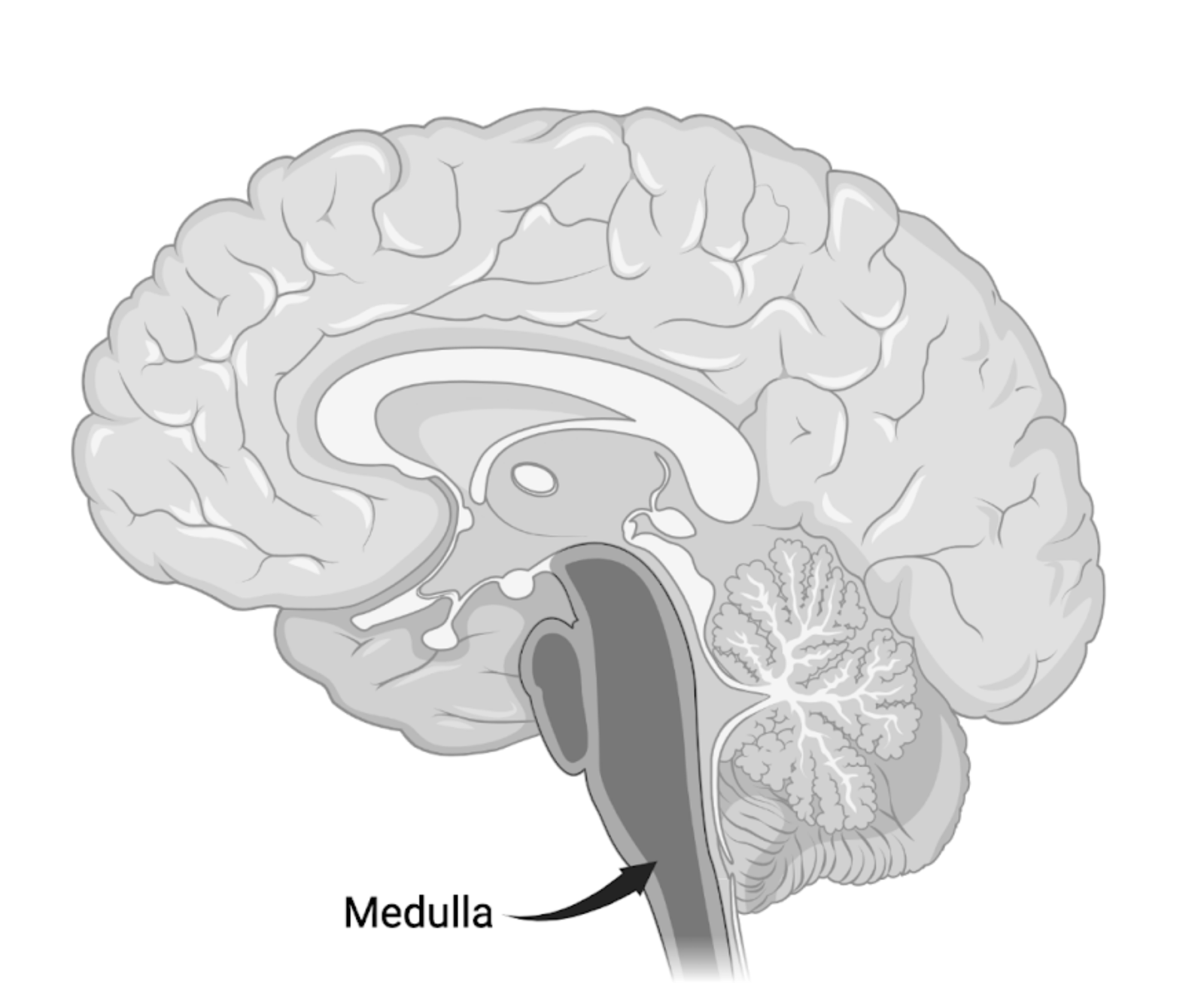
While these results are promising, the study was small, and further research is needed to confirm the safety and effectiveness of this therapy. It’s also unclear why CO2 levels are low in some people with Long Covid. Possible causes include damage to the lungs, dysfunction in the nervous system (like dysautonomia), or issues with the brain’s medulla, but the exact mechanism remains unknown.
What This Means for Us
If you’re living with Long Covid or a related condition, the idea of low CO2 contributing to your symptoms might be new. While CO2 rebreathing therapy isn’t yet widely available, this research highlights the importance of exploring all factors that could affect brain health and inflammation. If you’re curious about your CO2 levels, talk to your doctor.
For now, this is an area to keep an eye on. The possibility that a simple gas like CO2 could help alleviate symptoms of Long Covid or similar conditions is exciting, but we need more data to understand its potential fully. Stay tuned as researchers dig deeper into this promising lead.
Have more questions?Watch our newsletters and social media accounts to learn about an upcoming webinar we're excited about hosting with Alex in the coming weeks. We hope you'll join us to dive deeper into this emerging technology!
A Personal Note
"If I could give one piece of advice to a parent or caregiver of someone with a neuroinflammatory illness, I would say, 'Just keep loving them, and give yourself some grace.'
"There for a while, when we were in the thick of it, we weren't sure if our kids would ever be able to finish school after they got sick.
"I'm thankful for organizations like the Brain Inflammation Collaborative that conduct research, enabling families like mine to access resources, receive treatment, and ultimately find a cure."
-A mother, caregiver, and compassionate advocate
A diagnosis that doesn't seem quite right. A treatment that doesn't make any difference.
A new diet plan, a different doctor, another medical bill.
People from all walks of life grapple with the debilitating effects of neuroinflammation, unheard and fighting to be seen.
They are our children, our loved ones, our friends... and all of us.
You know the frustration of living with a chronic, complex health issue, thestress of trying to find the right diagnoses, and the hope for a treatment that works.
You knowthat achieving better care for people impacted by brain inflammation isn't a quick fix. Systemic problems require systemic solutions.
We are in this together.
Better clinical research is the key to a future where getting the right diagnosis, the best treatment, and timely care for neuroinflammatory conditions isn’t complicated.
To unsubscribe, click here: http://braininflammation.app.neoncrm.com/np/clients/braininflammation/unsubscribeEmail.jsp?type=16&emailId=fc88c26a9b39e1d48d967a37512dfcb0fm7758fc8&userId=KQ6LC9lEseAj9En3F4BGQK7al4cl19mo9VcIGg2IrcQ%3D