A note from Executive Director John Crowley
The Machine Stops
In 1909, E. M. Forster wrote a short story called The Machine Stops. Someone pointed it out to me during COVID, and since then it keeps coming back to me.
Forster imagined a future where people lived alone in little rooms, with everything delivered through something called the Machine. They talked through screens, shared ideas and had endless contacts, but rarely if ever actually met. Food, entertainment, education and work were all delivered - no reason to ever leave home. And this was 1909. No television, no internet, no Zoom. Yet it feels a little too much like now.
The story follows a mother who is quite happy living inside the system and a son who isn't. He wants the sky, the ground and other people. When the story was pointed out to me during COVID, it was hard not to see ourselves in it: small rooms, screens and a world in which physical presence had suddenly become unacceptable, nearly illegal. In fact, there was the underlying narrative that "other people could kill you".
COVID ended, but some of those habits stayed.
I'm not anti-internet. It's amazing. It allows us to work, learn, communicate and stay in touch with people all over the world. But all that convenience has quietly removed some of the reasons we once had to be around other people. We can work from home, shop from home, watch movies from home, order dinner from home. We can go through a surprising amount of life without actually having to go anywhere.
And going places was never just about the task. It was where we bumped into people - at the store, the library, at work, at the park, at religious and civic institutions.
One thing that I’ve noticed is that friendship starts with repetition. You see somebody one week. You see them again the next week. Eventually you know their name. You sit down together. You learn a little about their life. Then one day, almost without noticing, you're not strangers anymore.
That matters at any age. A young parent working from home may spend the whole day connected to people through a screen and still have nobody nearby to call for coffee. Someone who's 70 may discover that work is gone, the kids live somewhere else, old friends have moved away, and many of the structures that once brought people together have disappeared.
Nobody necessarily chooses isolation. It just kind of happens, nearly without noticing.
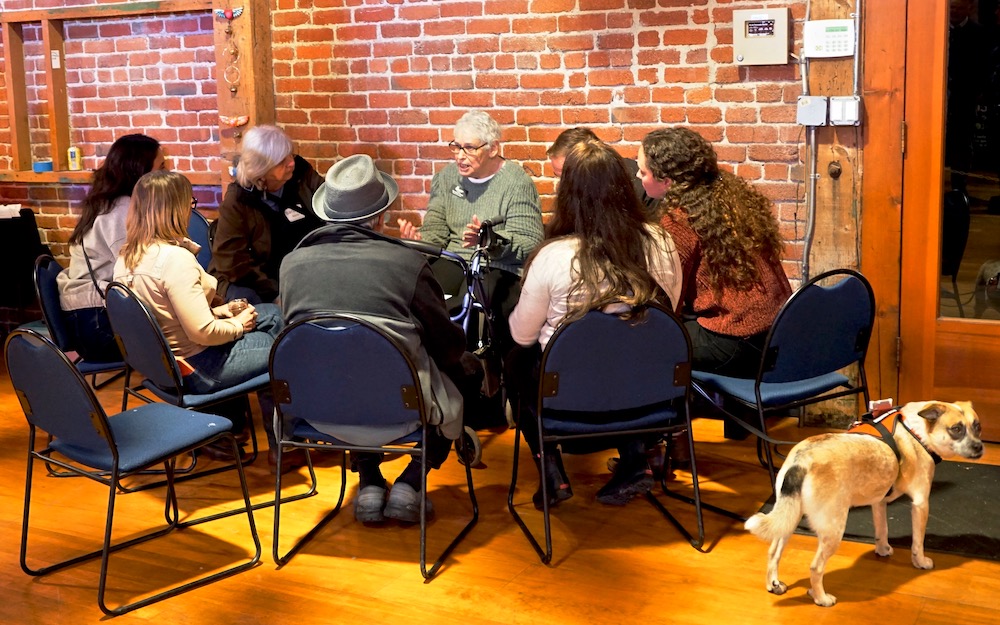
What people need isn't another program. They just need somewhere to go. A bocce game. A dinner. A parents' night. A coffee table. Something simple, comfortable and regular. Human connection thrives with repeated interaction in places where people feel at ease.
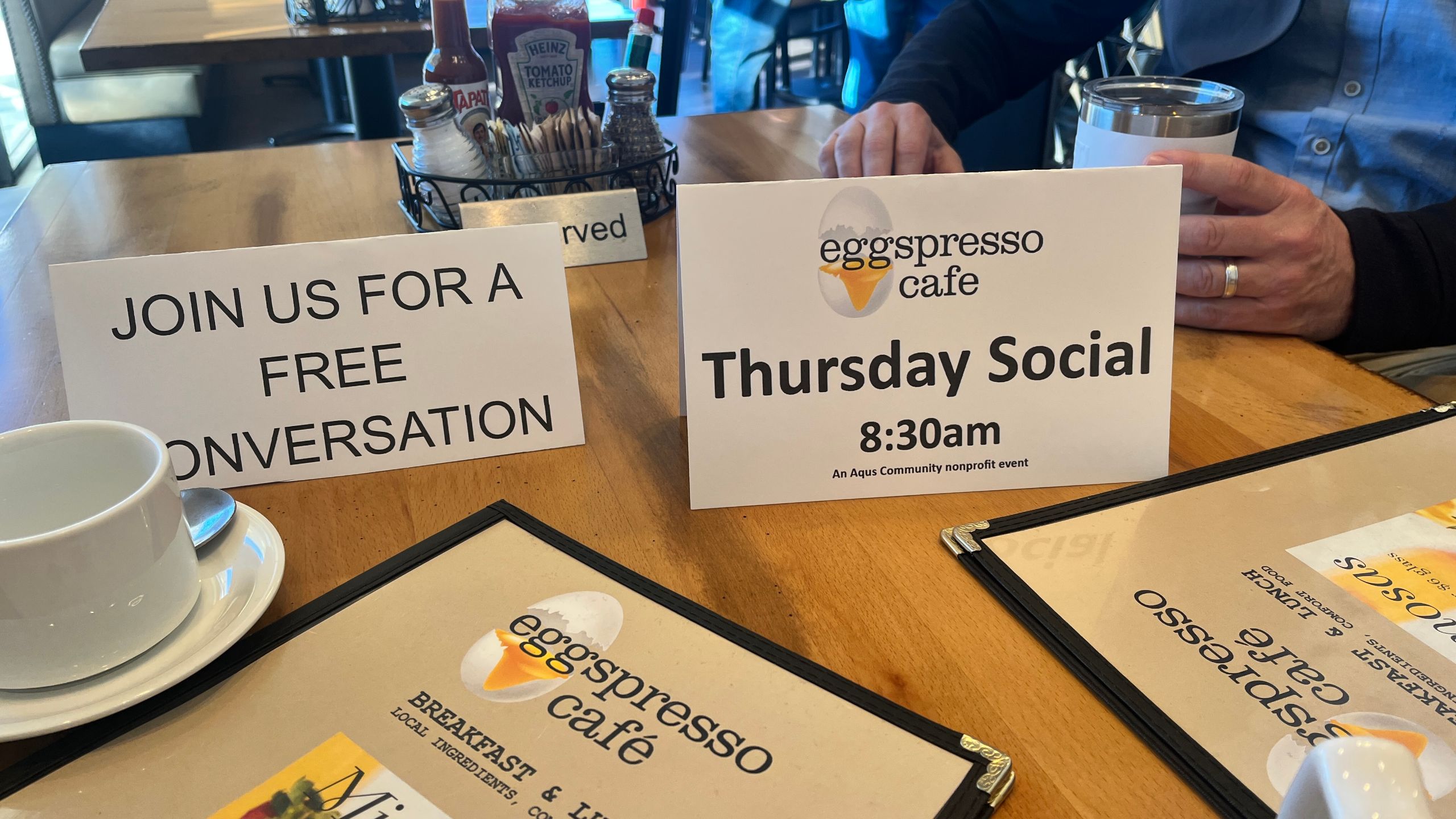
That's one of the reasons we've started our Eastside and Westside Thursday Morning Socials. Every Thursday at 8:30am, people can show up at Eggspresso or Aqus Cafe. There's no big agenda. Have a coffee. Sit down. Talk to somebody. Come back the following Thursday. The point is simple: repeated encounters turn into relationships, and relationships are what community is made of.
E.M. Forster's warning wasn't really about gadgets. It was about what can happen when showing up is no longer necessary.
I don't think the answer is to stop the Machine. I certainly don't intend to give up the internet. But perhaps we need to be much more deliberate about stepping outside it.
Nearly 120 years after Forster wrote The Machine Stops, his warning seems less like science fiction than it once did. The Machine is here. The question is whether we allow it to replace the very human need of showing up for one another.
Maybe the answer is simply to step outside of it, together. |