TCCTA Messenger
March 2026 - Volume LXII
President’s Message
As my term as President comes to a close, I want to reflect on where TCCTA stands today and what that means for our future.
Over the past year, TCCTA has experienced one of its strongest periods in recent history. Membership has increased from 3,568 to 3,874—approximately 8.6% growth—while convention attendance rose by more than 15%. We also strengthened member engagement through the introduction of monthly legislative updates and expanded access to professional development by offering webinars on a variety of topics throughout the year. At the same time, we maintained a strong financial position through careful stewardship.
These results matter. They reflect more than incremental improvement—they demonstrate real progress and a renewed sense of direction for the Association.
But momentum is never permanent.
Strong organizations do not decline all at once. They lose ground gradually when complacency sets in. The past year has shown what is possible when we are intentional about strengthening participation and focusing our efforts where they matter most. The challenge ahead is ensuring that this momentum is not temporary but sustained.
TCCTA’s influence depends on its members. A larger membership strengthens our voice. Active participation expands our reach. Continued focus ensures that we remain relevant in an environment that is constantly changing.
We have made meaningful strides, but more importantly, we have demonstrated what this Association can be at its best.
I am confident that TCCTA is positioned to continue building on this foundation. The opportunity in front of us is not simply to maintain what has been achieved, but to continue building in ways that expand our impact across Texas.
Thank you for your continued support of TCCTA and for the work you do every day on behalf of your students and institutions.
It has been an honor to serve during this time of advancement.
The work continues.
Take care,
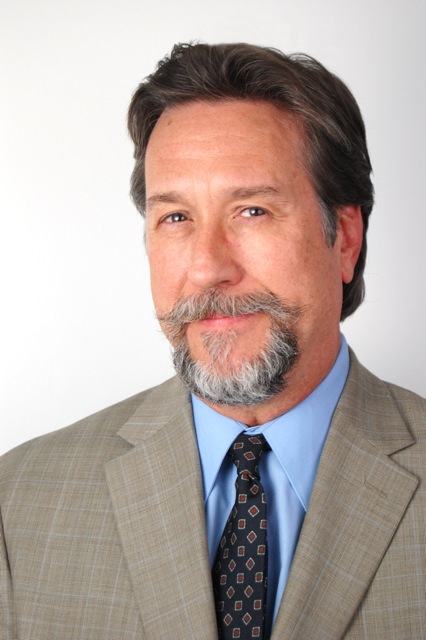
Will Parent
TCCTA President
C: 281-467-0496
|
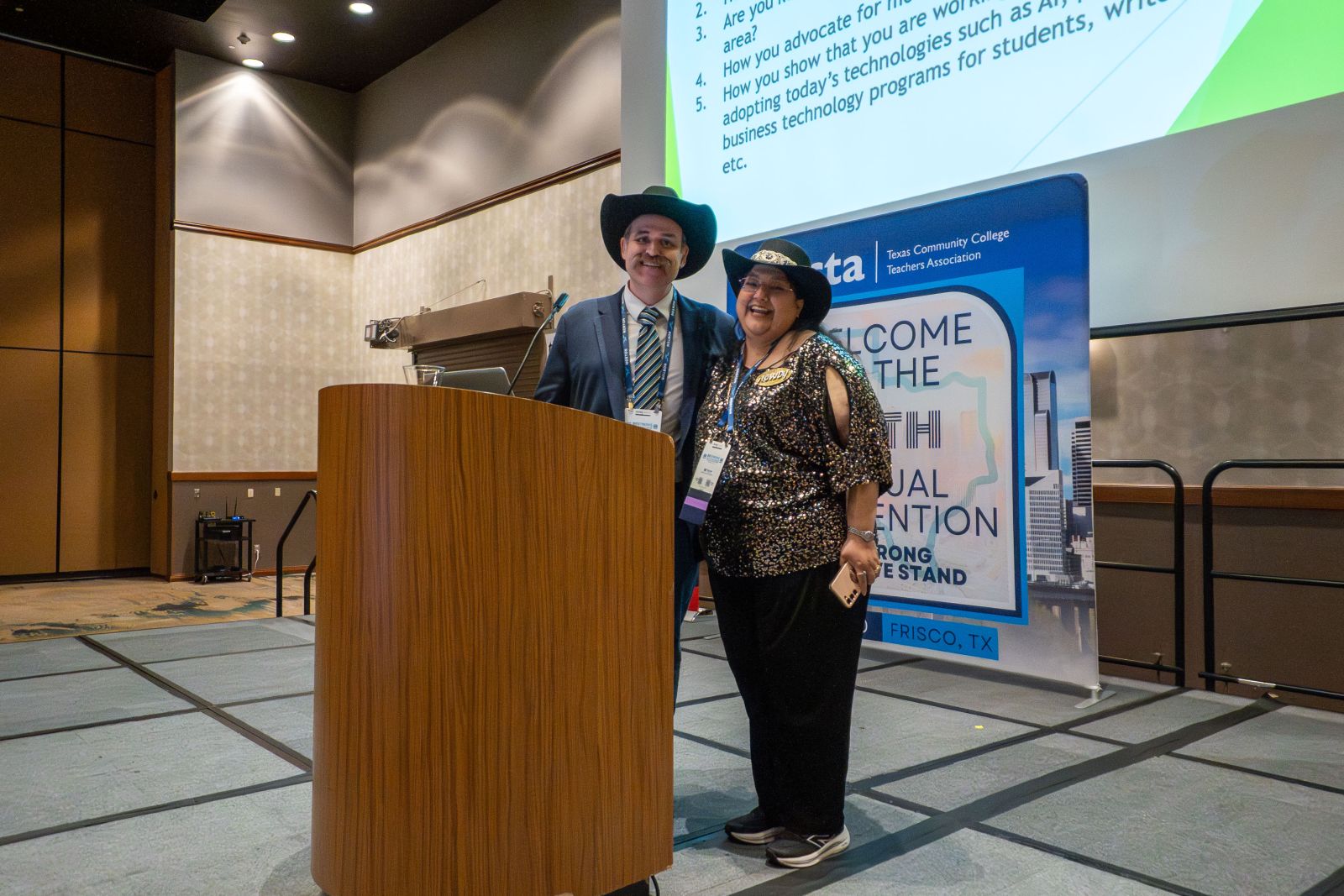
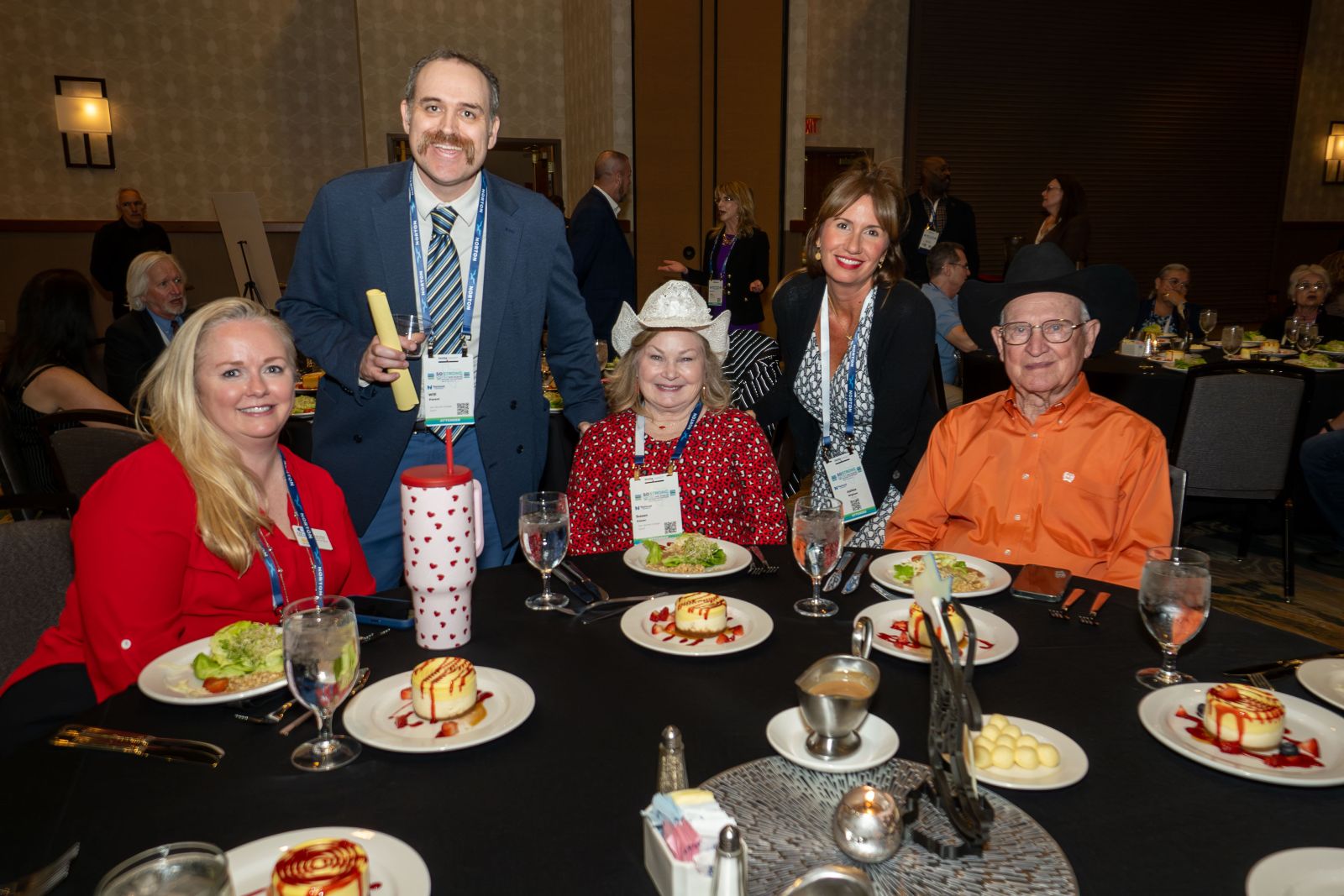
🎉 What an incredible success the 79th Annual TCCTA Convention turned out to be!
From February 18–20, 2026, more than 650 educators and professionals gathered at the Embassy Suites by Hilton in Frisco, Texas to celebrate “50 Strong: United We Stand.” The energy, collaboration, and dedication throughout the event truly reflected the strength of the TCCTA community.
Attendees participated in engaging sessions, meaningful networking opportunities, and inspiring discussions focused on supporting students and advancing education across Texas. The convention floor was also buzzing with innovation thanks to 25+ exhibitors, who showcased valuable resources, tools, and services that support educators and institutions.
Thank you to everyone who attended, presented, sponsored, and exhibited. Your involvement made this milestone convention an outstanding success and a powerful reminder of what we can accomplish when we stand united.
Here’s to continuing to grow 50 strong and beyond! 💙
Click here to view the photos from the convention: https://photos.app.goo.gl/bndUxeUBSbnnGYPQ9
|
Scaffolding Classroom Projects and Writing Assignments
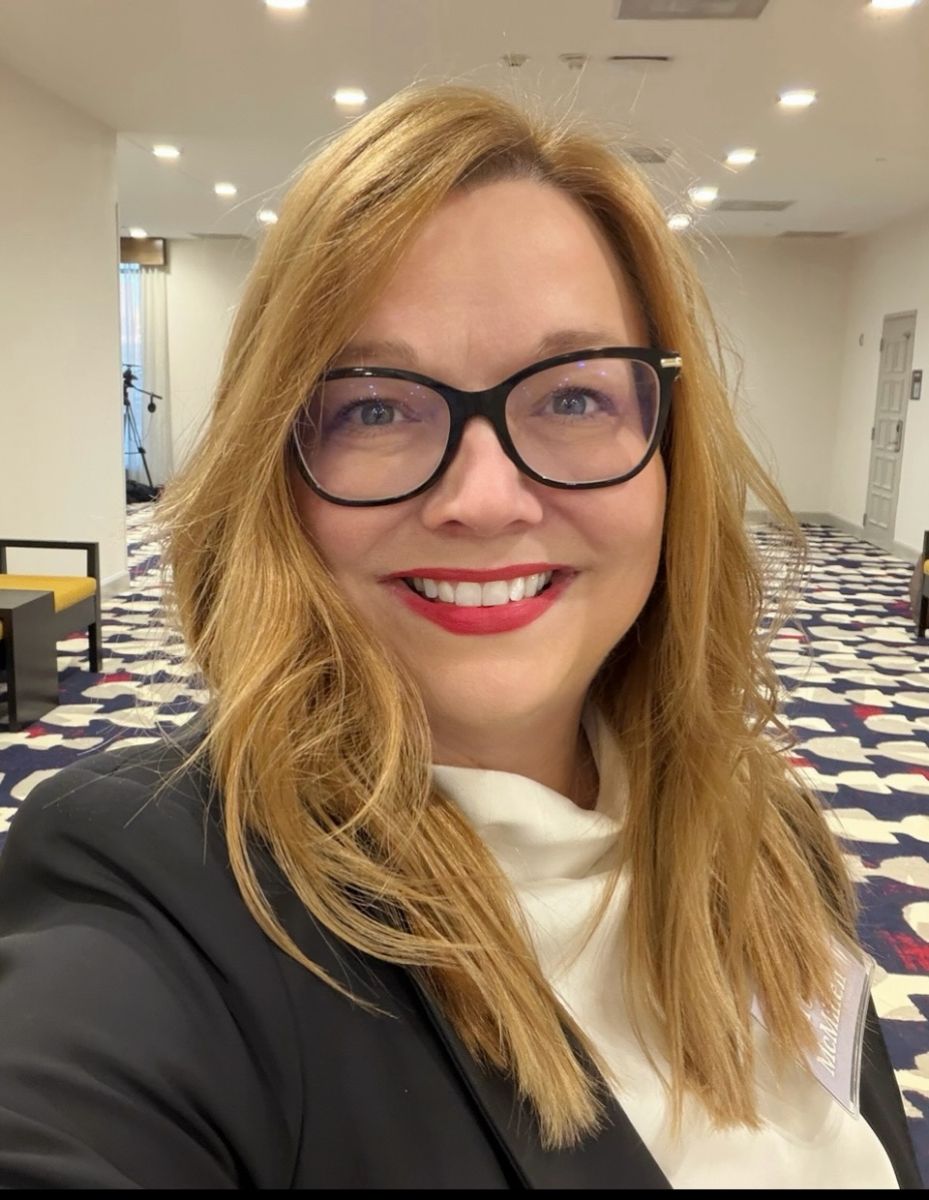
Toni McMillen, Collin College |
Even with the helpful use of AI for pre-writing and or editing, instructors are still working on the challenge of helping students by scaffolding their projects in layers in order to help students earn success. Reading, discussing, brainstorming, planning, researching, drafting, revising, and final editing are all expected processes in writing.
Getting Creative with Scaffolded Activities
Instructors have not necessarily forgotten how to scaffold assignments. But perhaps, some have forgotten the importance of reimagining the methods for scaffolding for a new generation of students. Moreover, the push to incorporate technology has pushed scaffolding aside. In order to adapt to our new technology, instructors and students perhaps need to reimagine how we approach projects. One example of scaffolded work in my classroom is assigning the Annotated Bibliography which supports the research process. This research then folds into an essay and later into an infographic. Over the years, multiple students have noted that this bibliography assignment has prepared them for the types of research work needed in their upper-level classes. Teaching students how to be organized in their work transforms their concept of writing tasks. In this traditional way, students learn to really read and analyze their resources, work on presenting their understanding of the research, and then get to consider how they will use the research in a future essay.
In a world of AI, we may also need to challenge students to complete the work in different formats and stages through non-traditional methodologies. Reimagining how these assignments might include having students verbally discuss their research in one-on-one sessions with the instructor or with group members allowing them to reinforce their own knowledge. Challenging students to have a strong familiarity with the content of their own essays will illustrate knowledge beyond what an AI generated essay can provide. Getting creative with in-class activities may mean having students who create depictive images that represent their understanding of the scholarly articles along with citations and quotes that will be used in their essays which is a fun way to reimagine authentic research. Creating an environment where in-class activities literally support the work and learning to make the work more genuine, perhaps even more fun, is a great opportunity for getting students to shine in unexpected ways as they navigate research.
Remixing Approaches to Teaching
Perhaps, as instructors, we need to remix teaching approaches and incorporate our experiences as scholars and adventurers. Going back to some very basic ideas, we need to consider what is best for our students. We need to consider what aspects of AI can enhance what we do in the writing or creating process and which aspects stifle genuine exploration.
There is a resilience that is built when we create and even when students collaborate on a group project. Scaffolding may look different for our varying disciplines, but having the students work on starting with familiar knowledge and move into unfamiliar research is a great way to move them towards a growth mindset which encourages learning. It also encourages students to try to take on difficult tasks. The discomfort of reading an article that is slightly above their reading level is the friction of learning. Momentary discomfort is part of the learning process. In the career of their future, there will be these moments of discomfort in approaching new tasks.
If we teach students how to approach projects in the safe places like our classroom, we reinforce growth and resilience. We educate students about how to approach a task and ask: What part of this task should be done first? What are my second and third steps? Where do I lack knowledge and need more help? Where are my strengths? What does project scaffolding and support look like for individual assignments and or larger projects in a proactive classroom? These questions and will continue to apply to their future real-world career encounters.
Creating the Scaffolded Classroom
Some helpful ideas for writing and other instructors to keep in mind when they scaffold their classes for success are as follows:
-
Reading materials for students can include sample essays, videos, podcasts, multi-modal examples, or research articles that add to the student’s knowledge about the subject.
-
Helping students to create their own working vocabulary for new topics creating a base of knowledge using lower-level reading materials or definitions.
-
Giving students permission to put the work into their own language by challenging them to summarize ideas in their own words by taking notes, paraphrasing, and discussing ideas with others which allows them to be themselves as learners.
-
Helping students to understand time management is still relevant. They need to define and limit their project by being real about the amount of time they will have to complete tasks.
-
Giving clear deadlines and due dates while being flexible when the original class deadline is not working.
-
Scaffolding larger projects that break the assignment into parts such as reading, generating topics, creating research questions, research goals and guidance, having clear research organization methods, providing clear guidelines and/or rubrics for writing, and allowing time for generating writing draft and final drafts.
-
Help in avoiding the overuse of AI includes methods for showing proof of work or research such as creating the annotated bibliography, writing reflections on how research is found or Paper Trails documentation, Mind Maps or Source Matrixs, or Summaries of References.
-
Reflecting or progress and examining what could be done differently in future projects allows students to reflect on how processes can always be improved.
While some students are looking for a fast way to create assignments, we should be searching for ways to show students that we know they can build ideas—even from scratch if necessary. Valuing having their work represent them by encouraging the use of using their own voices in the creation of these projects for our classrooms is a great way to reinforce individually produced products.
As instructors, we create the environment for success. It is our skills in curating a class that fosters learning and success. If we use AI tools, then we should use them in a supportive role and not one that replaces human critical thinking and creativity all together. Amidst all the rush to speed up, perhaps we should slow down and reimagine what our assignments should look like and what our goals and curriculum supports overall.
If you have great ideas for scaffolding any course, feel free to share those with by reaching out to tmcmillen@collin.edu. We would love to know more about how you create scaffolded assignments and classroom structures.
|
Burnside Scholar Award Recipient - Ms. Marcia Jackson |
|
The winner was announced by Cristina Doda Cárdenas at the 79th Annual Convention on February 20th, 2026.
Introduction to Ms. Marcia Jackson by Cristina Doda Cárdenas, San Jacinto College
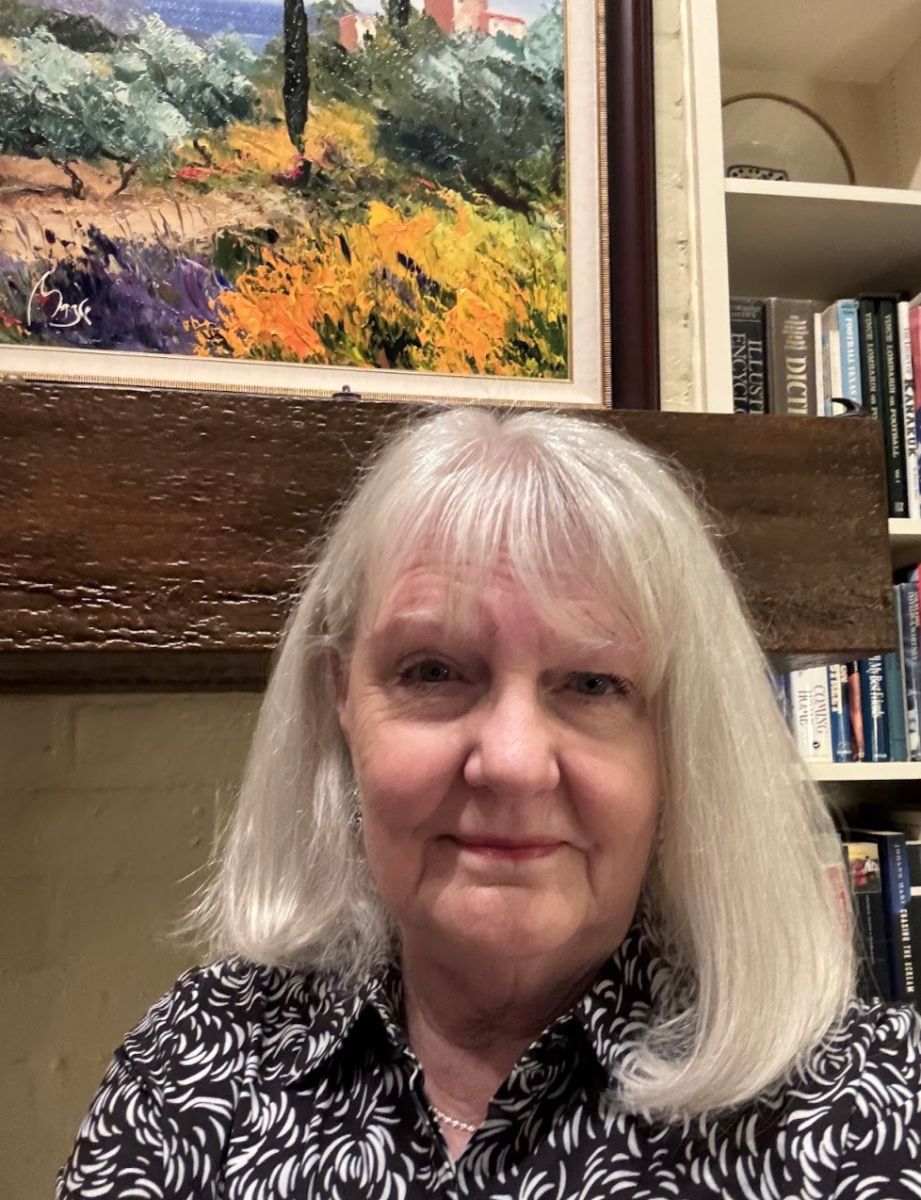
Being a beacon of hope in the darkest moments for others is something Ms. Jackson is passionate about, and it shows through her work. Ms. Jackson is our Burnside Scholar for Spring 2026. Ms. Jackson is a graduate of San Jacinto College with her Associate of Science in Information Technology Security, 2020 and is currently enrolled in the Bachelor of Logistics and Supply Chain Management at San Jacinto College.
Ms. Jackson is the President and Founder of i5 Networks, Inc, Houston, Texas. She attends San Jacinto College, runs a company, and finds time to volunteer. As a volunteer she has worked with Dining with a Purpose which is part of the nonprofit Faith Collaborative by Kimberly Williams. This nonprofit helps provide dining activities for human trafficking survivors and vulnerable individuals. These monthly gatherings are designed to keep survivors connected and engaged, helping attendees build community, access essential resources, and regain a sense of belonging that is important to their ongoing recovery and empowerment.
Ms. Jackson is also involved with the Countering Human Trafficking CSC, Sector Chief and with InfraGard Houston, FBI Special Agent Janna White, Chapter Coordinator. As the leader of this Cross Sector Council, she coordinates with her team to organize chapter meetings focused on raising awareness and fostering discussions about the issues of human trafficking and its intersection with cybersecurity. Through these initiatives, they aim to equip our community with the knowledge and resources needed to actively combat human trafficking in the digital realm.
Ms. Jackson also is a volunteer with Prayer and Inner Healing Ministry, Healing Hearts International Ministries, with Teia Martinez, Founder and CEO. Ms. Jackson volunteers weekly with the prayer group to help women overcome barriers such as emotional pain, past trauma, and self-doubt. Ms. Jackson's involvement demonstrates her commitment and passion for fostering personal and spiritual growth for the women she serves.
As a student in Distinguished Speech Professor, Cristina Doda Cárdenas' class, Ms. Jackson was a wonderful role model for her younger classmates and was always professional with her work ethic, always striving and attaining excellence and being a light in the darkness for all.
|
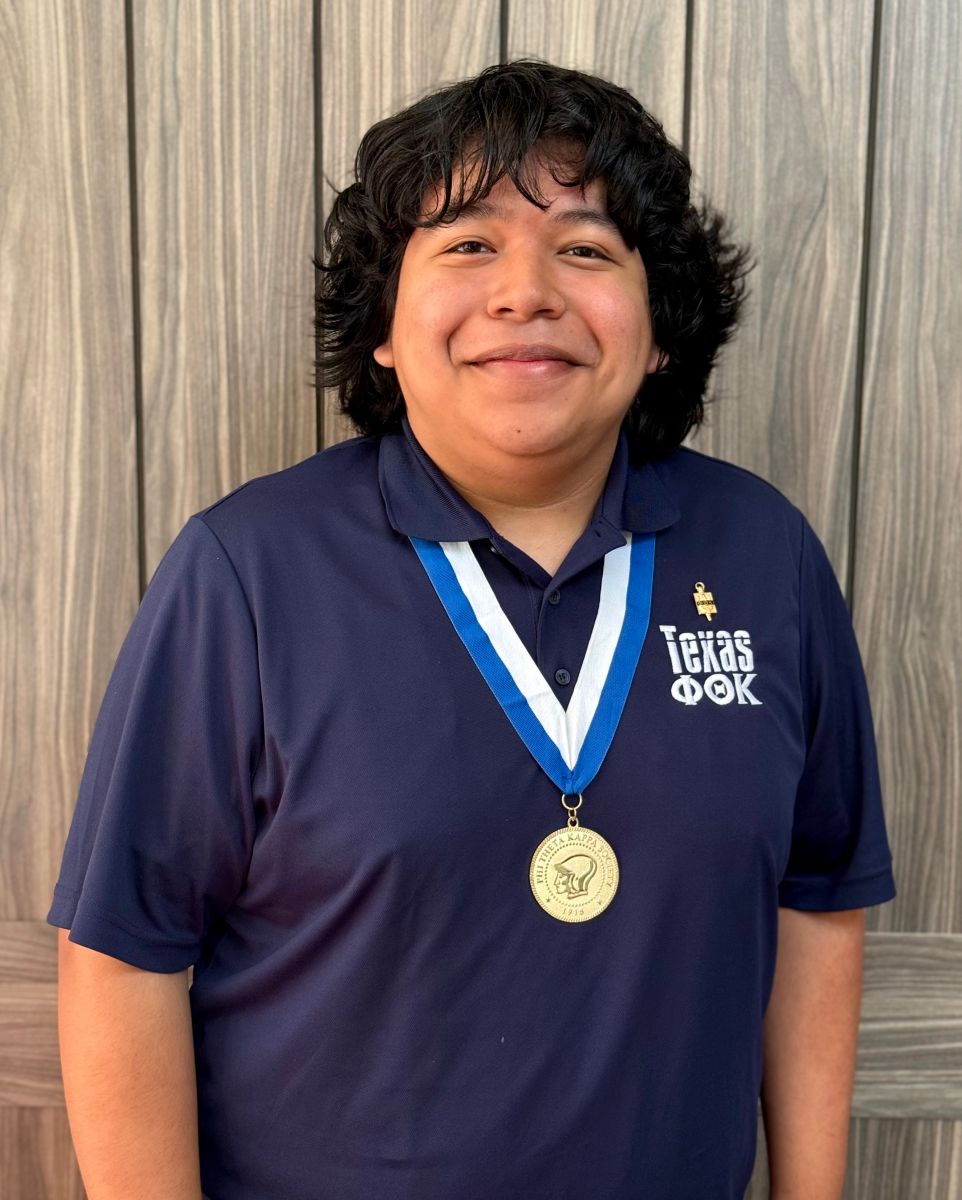
Jose Fuentes, District III Vice-President, Phi Theta Kappa
Jose Fuentes attends Northeast Texas Community College. He serves as the District III Vice President in Texas for Phi Theta Kappa.
Thank you so much for allowing me to speak with you this afternoon. I’m standing before you today because of my sister. Her story became my story. Her breakthrough became my starting point. And the path she carved through community college is the same path that led me here. Ten years ago, my oldest sister walked across a stage at a community college graduation. For our family, that moment was more than a milestone, it was a breakthrough.
But for me, sitting in the audience, it was something else. It was the first time I realized that maybe college wasn’t just something other people did. Maybe it was something we could do. My parents came to this country when they were sixteen years old. They didn’t know how the education system worked here. They didn’t know what transfer pathways were, how scholarships worked, or who you were supposed to ask for help. So, when my sister Angelica entered college, she did what many first-generation students do. She stepped into the unknown and hoped she could figure it out along the way.
She chose to attend Northeast Texas Community College. Not because it was easy. But because it was accessible. And because it was willing to meet her where she was. What changed everything wasn’t just her work ethic. It was the people around her. She met advisors who didn’t just tell her what classes to take but asked her what she wanted her future to look like. Professors who saw her curiosity and pushed her further. They encouraged her to join the Honors Program, to ask better questions, to believe she was capable of more. Because of that support, she didn’t just pass classes. She thrived. She joined the Honors Program. She conducted research. She wrote papers she was proud of. She stepped into leadership roles on campus and in Phi Theta Kappa. These are opportunities that exist because community colleges intentionally create space for students to grow beyond the classroom.
Phi Theta Kappa didn’t change her life on its own. Community college made it possible for Phi Theta Kappa to become part of her story. Through faculty mentorship and institutional support, she gained the confidence to pursue leadership opportunities, to apply for awards, and eventually, to take a leap that felt almost impossible.
She applied for the Jack Kent Cooke Undergraduate Transfer Scholarship, which is one of the most competitive scholarships for community college students in the nation.
That moment didn’t just validate her. It validated the education, the mentorship, and the support she had received at a community college. She transferred to Texas A&M University in College Station and went on to earn advanced degrees and build a career in public health.
But the most important part of her story didn’t happen at her transfer institution. It happened earlier; in advising offices, in classrooms, in conversations where faculty chose to invest in a student before the rest of the world was paying attention.
And here’s where her story becomes mine.
When my sister came home, she didn’t just bring a success story. She brought a new expectation for our family. She showed us what was possible. Because of her, my second sister became the first doctor in our family. Another became a registered nurse. And when it was my turn to step onto a college campus, I didn’t walk in blind. I walked in believing I belonged.
I followed the same path. I had community college professors and advisors who believed in me, challenged me, and guided me forward. They didn’t just teach content. They built confidence. They helped me see leadership in myself before I saw it on my own. So, when you see me today—as a student leader, as a regional officer, as someone representing students across Texas—understand this:
I am not here in spite of having started at a community college.
Now, through my leadership role, I have the privilege of meeting students from across Texas, from every one of our community college districts. And no matter where I go, the stories sound familiar. Students talk about the professor who noticed they were struggling and reached out. The advisor who encouraged them to apply for something they didn’t think they deserved. The faculty member who reminded them that one setback didn’t define their future.
Students don’t talk about rankings or prestige. They talk about people.
And that’s when it becomes clear:
Community college doesn’t just educate students.
It transforms families.
It resets what future generations believe is possible.
The convention theme this year is “50 Strong, United We Stand.”
To me, that means 50 community college districts across Texas standing as places where potential is recognized early, where faculty choose to teach not just content, but confidence.
Many of you in this room have credentials that could take you anywhere. You could teach at large research institutions. You could pursue paths defined by prestige. Instead, you chose community college.
You chose students who are still discovering who they can become.
You chose classrooms where the impact is quieter, but deeper.
You chose to lift students before they ever learn to lift themselves.
There’s a phrase that captures this perfectly: Lift as you climb.
Some of you were once community college students yourselves. You climbed, and you came back. And because you did, students like my sister—and students like me—have the chance to climb too.
So, if you ever wonder whether your work matters. If you ever question whether the extra time, the patience, the sacrifice is worth it,
There is a student whose future exists because you chose to help.
There is a family whose trajectory changed because you cared.
And there is a generation rising because 50 community college districts stand united. Guided by faculty who believe in access, equity, and possibility.
Fifty strong.
United by purpose.
And lifting Texas, one student at a time.
|
TCCTA State Officer's Election Results
TCCTA is pleased to announce the results of the recent State Officers Election. We sincerely appreciate the engagement of our members in this important process. Please see below for the list of newly elected officers. |
Stephen Henry - President, Houston City College |
Rachel Hunt - President Elect, Angelina College |
Dr. Terry Gilmour - Vice President, Midland College |
Don Davison - Treasurer, Galveston College |
Doug Richey - Secretary, Northeast Texas Community College |
Will Parent - Immediate Past President, San Jacinto College |
New Podcast available now!
TCCTA presents The Faculty Files Podcast a show by faculty, for faculty. The Faculty Files will recap the latest news in higher education and share interesting stories from faculty and the students we teach.
Make sure to like and subscribe on Spotify!
|
|
Take a look below and on our calendar or events for recent highlights and upcoming TCCTA events. Scroll to the bottom of the calendar link on tccta.org and subscribe to the TCCTA calendar to stay in the know! |
 |
| Dr. Brandon Rottinghaus |
|
TCCTA's Legislative Committee arranged a special interview and discussion with Dr. Brandon Rottinghaus on Tuesday, March 17 at 1:00 PM CST via Zoom.
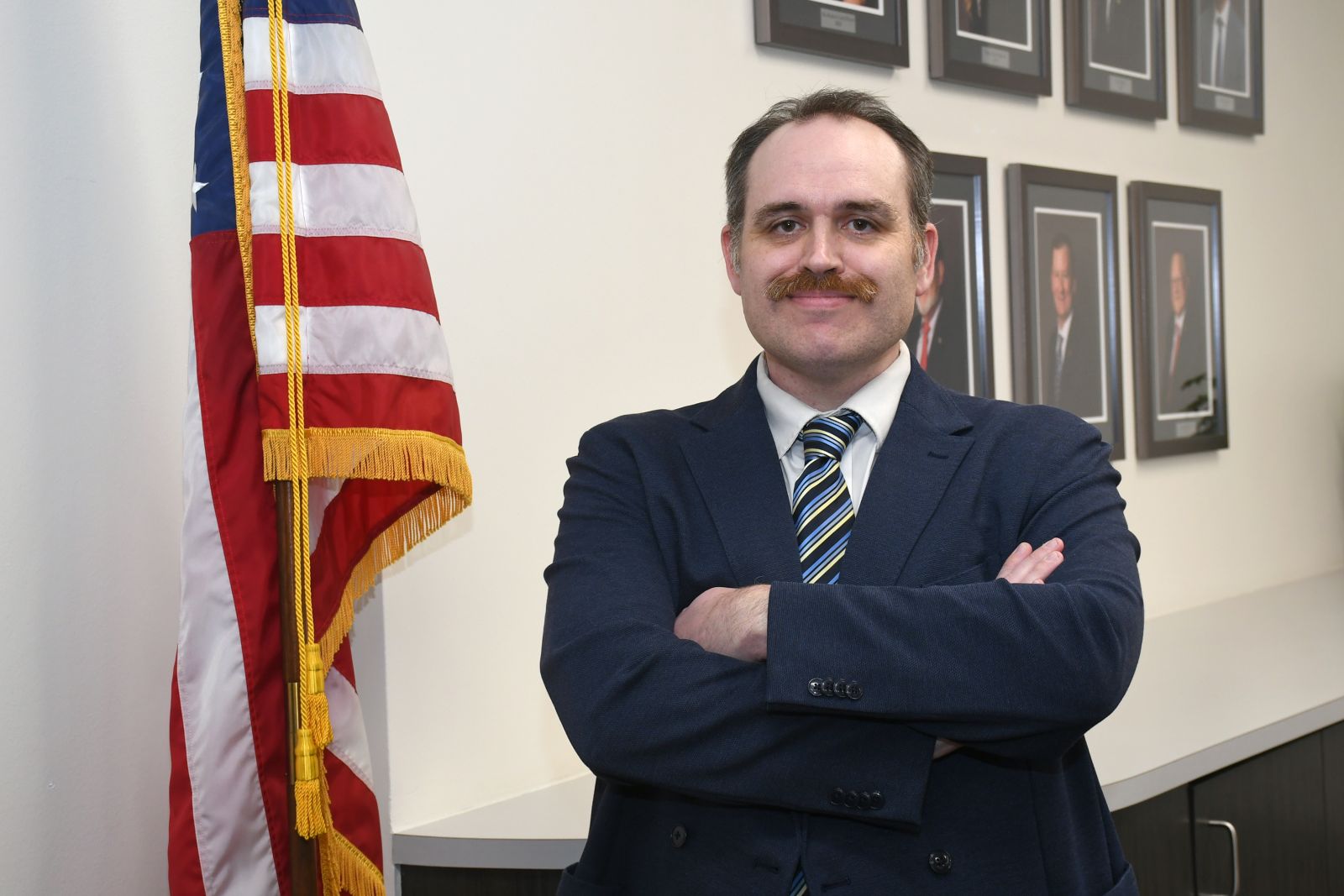
Dr. Rottinghaus is a Professor in the Department of Political Science at the University of Houston. He is the co-host of Party Politics, a PBS TV8 program on Houston Public Media and a political analyst for KHOU 11 in Houston.
Dr. Rottinghaus joined us for a conversation focused on the recent Texas primary elections, where he will share insights and analysis on the outcomes and their potential implications for Texas politics and policy.
We are excited to make this discussion available to all TCCTA members.
View the recording here. |
Adobe & AWS Joint Remediation Solution:
Technical Dive for TCCTA Member Institutions
April 2, 2026 @ 10:30am CST |
This session is the second in a two-part series, following the introduction of the joint Adobe and AWS solution for PDF remediation. It is designed as a more technical deep dive, including a walkthrough of the Adobe Developer Console, guidance on setting up a trial environment to test Adobe Accessibility APIs, and an overview of GitHub resources to help teams get started once they’ve moved forward with the solution.
Time will also be reserved for live Q&A.
Register here: events.teams.microsoft.com/event/78f6a7fa-7cca-4373-931e-7d454bf59e66@fa7b1b5a-7b34-4387-94ae-d2c178decee1
If you missed part 1, please view recording here: https://f.io/G14FsduM
|
The Secret History of EAP (employee assistance programs)
The best benefit you didn’t know you had!
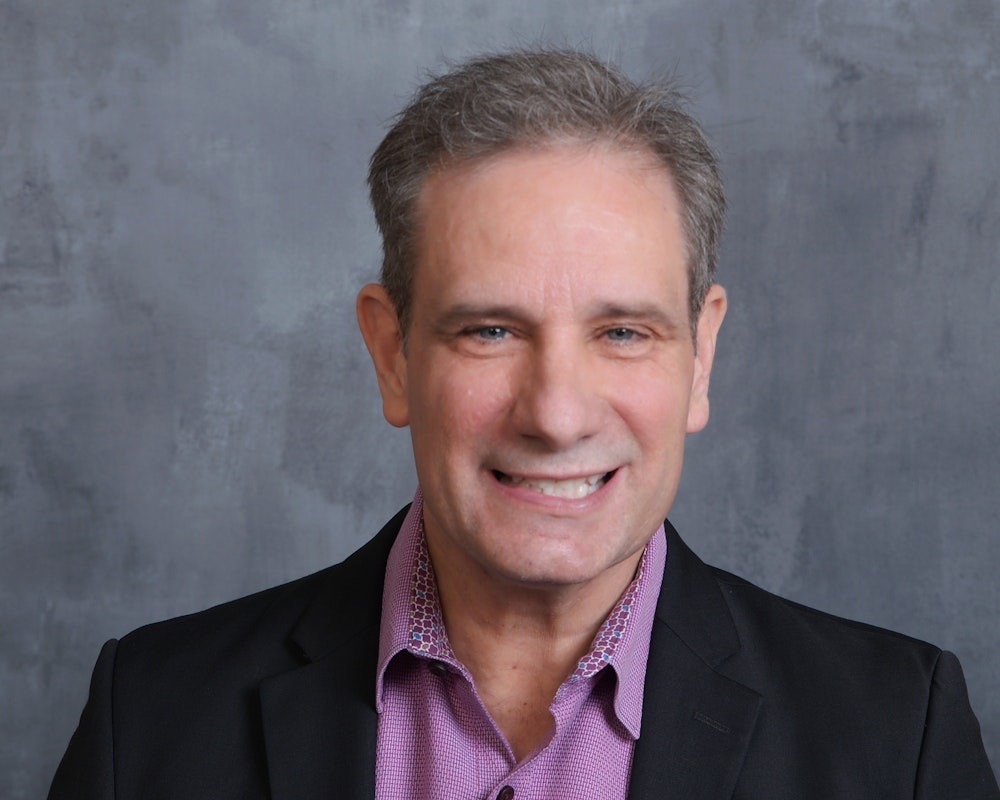
Rick Dielman, CEAP - Chief Account Executive, has been involved in labor and management relations since 1979, the EAP field since 1988, and has been with AWP since 1991. He is the former Chair of the State Legislative and Public Policy Committee for EAPA-International. Rick’s 37 years of EAP experience qualifies him as an expert in all aspects of employee assistance, including program design, network development, policy development, account management, quality management, training, consulting, administration, and marketing. He has been Certified as an Employee Assistance Professional, active in drug free workplace services, and directly supports all aspects of AWP operations.
In case you missed the webinar, please find the recording and PPT presentation here:
https://drive.google.com/drive/folders/1buTVKCZlI9GQAyih-cZGUxC8E6P_wwA0?usp=share_link
|
Most retirees want to remain in their homes as long as possible — but many homes aren’t truly set up for safe, long-term independence. Join us for our upcoming educational webinar: Living Safe and Independent at Home. We’ll walk through:
- Simple home updates that can
reduce fall risk
- How to organize essential
documents before you need them
- Smart ways to protect your savings
while maintaining independence
- There is no cost to attend, but registration
is required.
April 16th | 12:00 PM CST
Register here:
https://ambabenefits.zoom.us/webinar/register/WN_Kwj7SOUhSEqdr7ac0vYQIQ |
|
|


.jpg)
.jpeg)