If you're having trouble viewing this email, you cansee it online.
Pesakh Greetings from the Kaplan Center!
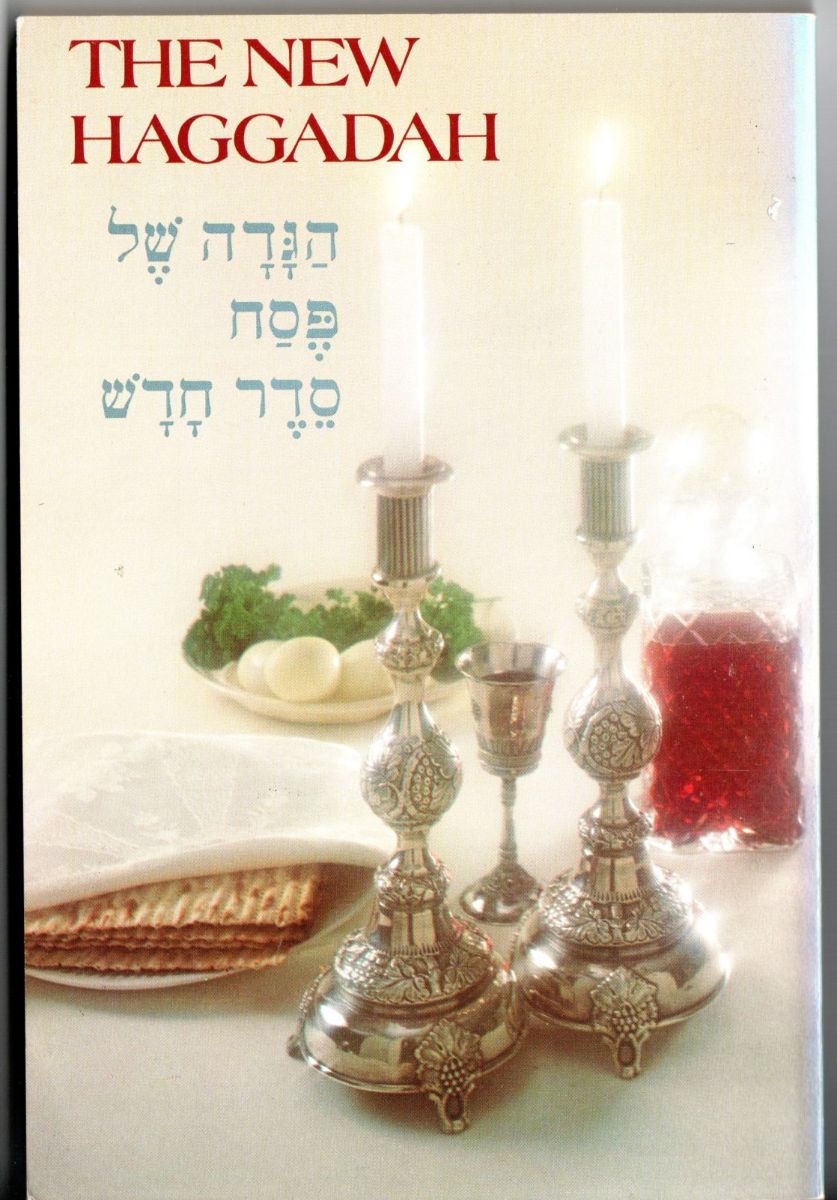
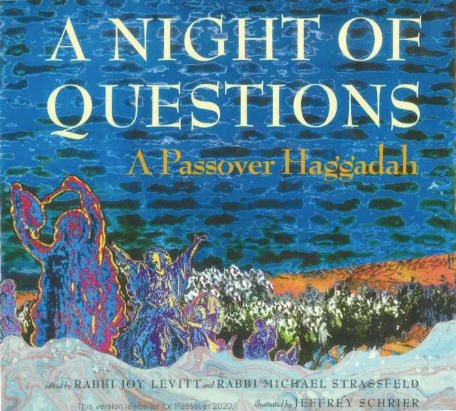
As you get ready to gather with family and friends, and dust off your haggadot, take a moment to think of the blessings of plurality within Jewish thought that are part of your choice of book. When The New Haggadah for the Pesah Seder ed. by Mordecai M. Kaplan, Eugene Kohn, and Ira Eisenstein was published in 1941, there were virtually no alternatives to the traditional liturgy of Passover.
Kaplan’s Haggadah was radical in the extreme. He left out the plagues because they were miracles; he altered the chosen people formula, and included Moses, who is not mentioned in the traditional haggadah, as a major figure in the Exodus story. The new texts which were introduced in the New Haggadah may be viewed as a protest against the rising tide of Fascism at the time. The traditional haggadah celebrates God’s power in bringing the Children of Israel out of Egypt. Kaplan’s haggdah celebrates freedom as the essence of Passover. The New Haggadah aroused a storm of protest both within Kaplan’s home institution at The Jewish Theological Seminary and in the community generally. It may be that The New Haggadah is primarily responsible for the excommunication of Kaplan by the ultra-Orthodox which came a few years later.
Thanks to Kaplan’s stance, now you can find many wonderful texts and different ways to talk about freedom on this special night. We wish you all a zissen and meaningful holiday!
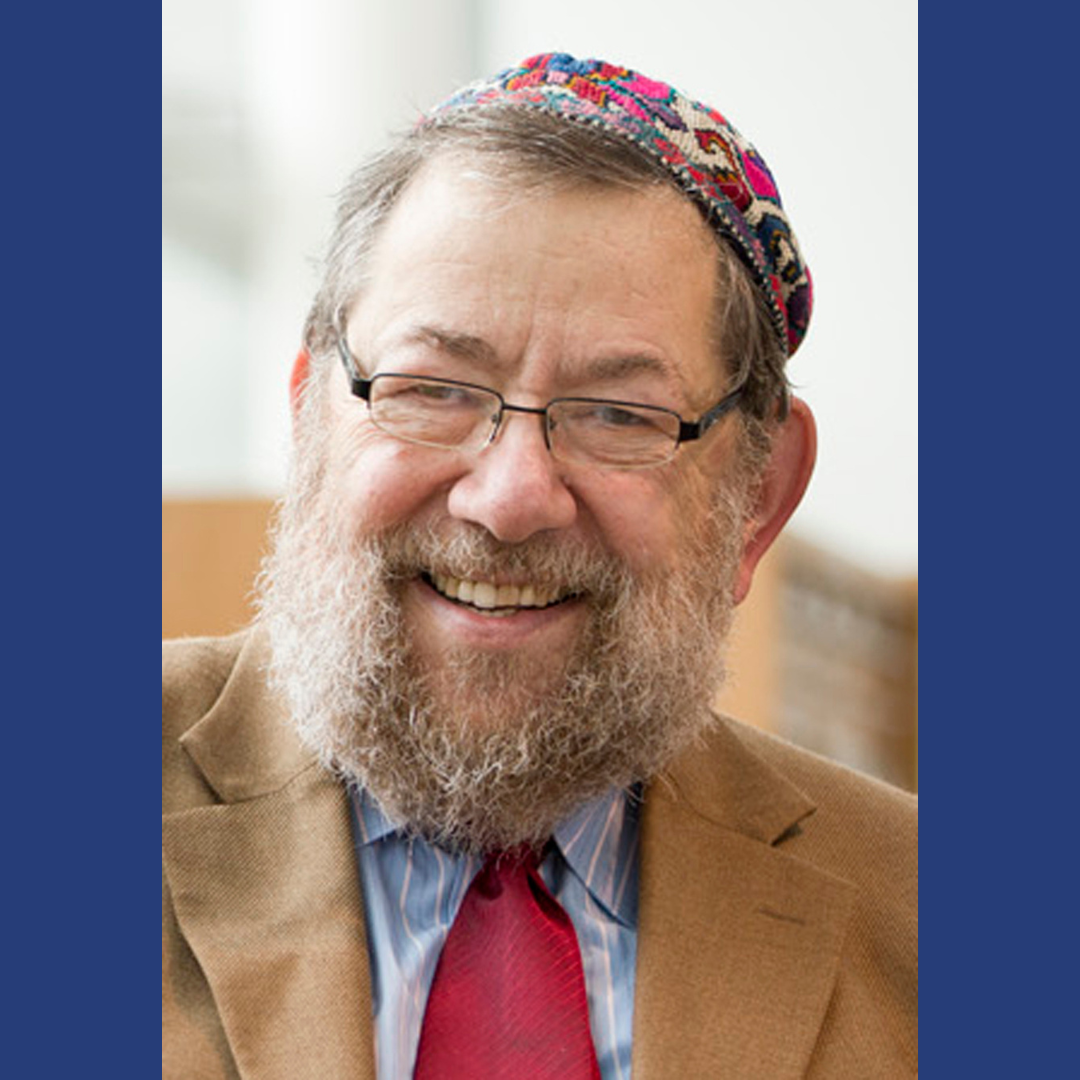
Kaplan, Revelation, and the "Echoing" Voices of Sinai with Rabbi Jeffrey Schein
Sunday, April 12 at 7pm Eastern Daylight Time (EDT)
Working from the soon-to-be-published (5787/2027) volumes The Art of Living: Salvation as Self Transcendence(by Rabbi Mordecai Kaplan, edited by Rabbi Richard Hirsh)and his own 21st Century Kaplanian Vision of Educational Growth, Jeffrey Schein introduces the group to the mysteries of Caleb (his grandson's) noodle toodles and Kaplan's idea of cosmic polarities. Kaplan's portrait of growing Sinai within us is shared. The workshop ends on two paradoxical notes: the first is how generational echo chambers "flatten out" our experience of Sinai. Finally, relying on divrei nechemta (words of comfort and optimism) Jeffrey shares examples of regaining our intergenerational experience with some brilliant programmatic Sinai stars drawn from his new volume L'Dor Va-Dor in a Digital Age(Trafford Press). You can read Jeffrey's study guide prior to the webinar or do a close read together during his presentation.
New New New Zionism and Beyond with Rabbi Arthur Green, in memory of Adina Newberg
Can Judaism be saved from its most dangerous currents? That’s the question Rabbi Arthur Green poses in this urgent exploration of the spiritual and ethical challenges facing Judaism today. Green examines the tension between universalist values and exclusivist tendencies across Jewish history, showing this tension’s roots in biblical, rabbinic, mystical, and Hasidic teachings.
Green challenges us to confront the darker currents within Jewish history and thought while embracing the universal truths of freedom, equality, and human dignity that lie at the heart of the Torah. He envisions a Judaism that transcends narrow nationalism and exclusivity, offering a path of service to humanity and the world.
The mission of the Kaplan Center is to disseminate and promote the thought and writings of Rabbi Mordecai M. Kaplan and to advance the agenda of the Kaplanian approach to Judaism in the 21st century.


.png)
.png)